

Latest Version
May 11, 2025
Outerdawn Limited
Strategy
iOS
0
Report a Problem
More About :game
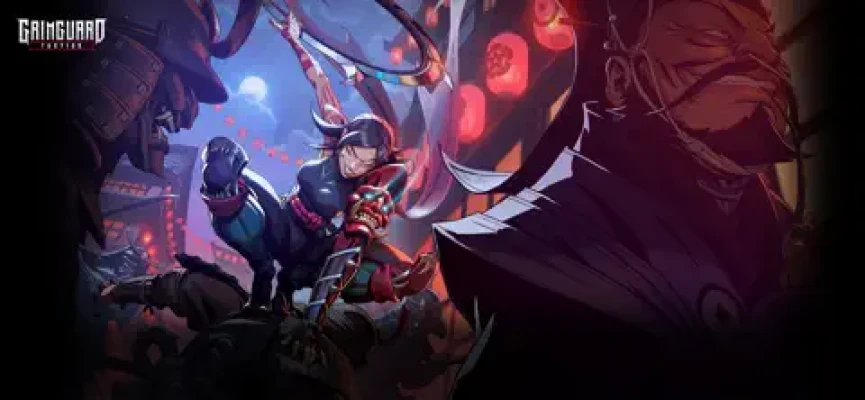
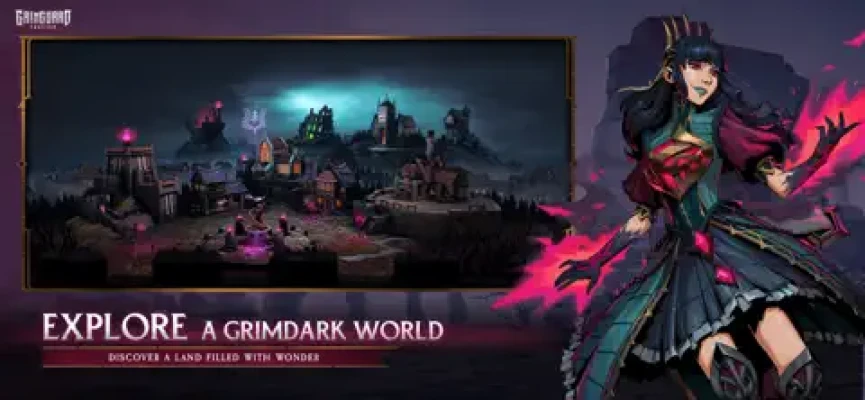
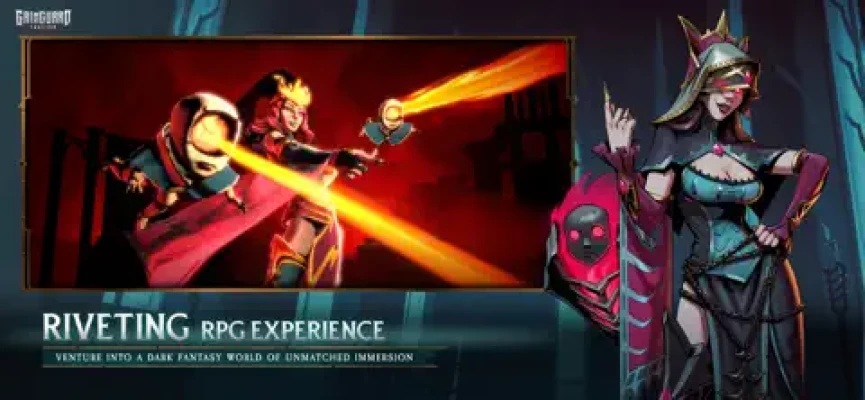
Grimguard Tactics: Fantasy RPG is a mobile tactical role-playing game developed by Outerdawn Limited. Set in a dark fantasy world threatened by a devastating invasion, the game follows a group of heroes fighting to protect humanity and uncover the secrets behind the growing darkness.
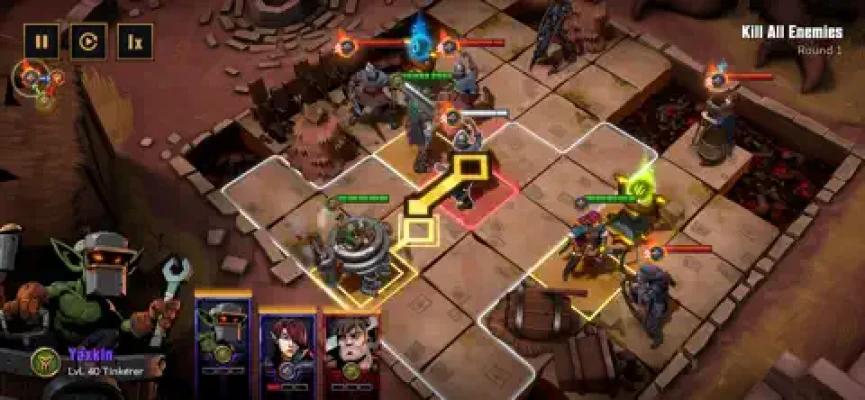
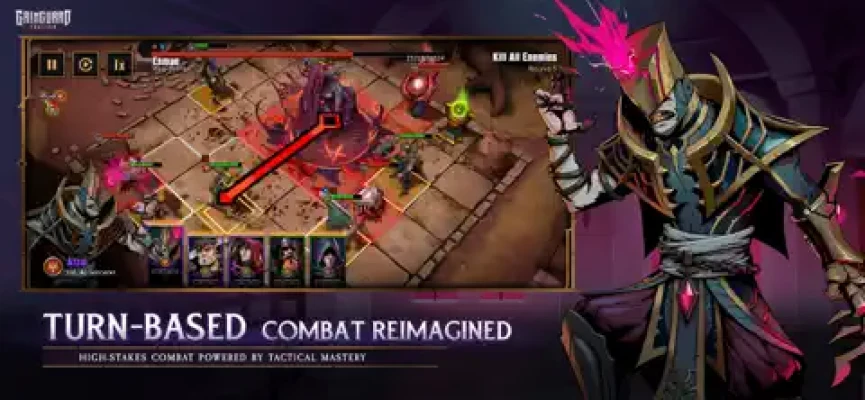
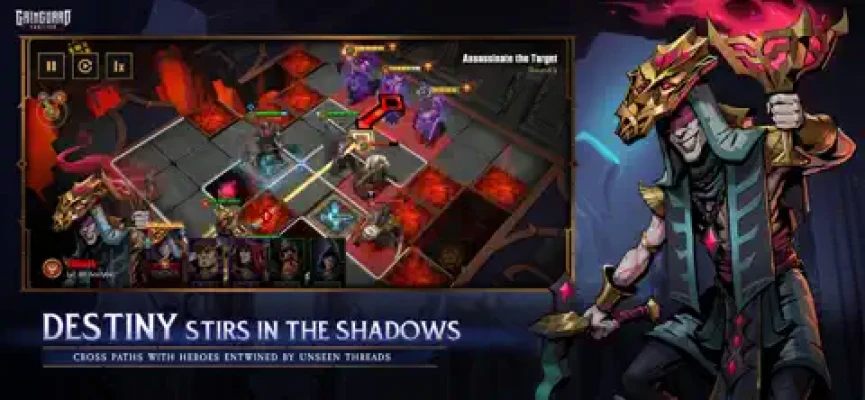
The central gameplay revolves around turn-based tactical battles. You assemble a team of heroes, move them across the battlefield, attack enemies within range, and use powerful abilities to gain an advantage. Every encounter encourages you to consider positioning, enemy weaknesses, hero abilities, and the order in which you take actions.
Recruitment and progression are equally important. You can obtain new heroes, develop their levels, improve their equipment, and upgrade their abilities. Different heroes have individual characteristics, perks, and strengths, so building a reliable team involves more than simply collecting the rarest characters.
Beyond the main campaign, Grimguard Tactics offers additional activities such as dungeons, expeditions, arena battles, guild content, and boss encounters. These modes provide further challenges and opportunities to develop your roster.
The game's dark atmosphere, character-driven story, tactical combat, and long-term progression make it a strong option for players who enjoy strategy-focused RPGs rather than fast-paced action combat.
Main Features of Grimguard Tactics
Turn-Based Tactical Combat
Battles unfold in turns, giving you time to assess the battlefield and plan your moves. You can reposition heroes, attack enemies within range, and use abilities to overcome dangerous encounters.
A Diverse Roster of Heroes
Recruit heroes with different combat strengths, abilities, perks, and roles. Experimenting with different combinations helps you discover which characters work best together.
Hero Recruitment and Development
The recruitment system allows you to expand your roster. Heroes become stronger through experience, level improvements, ability upgrades, and better equipment.
Strategic Skills and Perks
Hero talents, perks, and special abilities influence how your team performs. Learning what each character brings to battle can help you build a squad that handles different enemy types more effectively.
A Dark Fantasy Campaign
Travel through the war-torn regions of Terenos, explore dangerous locations, and fight the creatures associated with the Primorvan invasion. Campaign missions gradually introduce new challenges and important story developments.
Powerful Boss Encounters
Boss battles test your preparation, team composition, and tactical decisions. Progressing through campaign regions involves completing prerequisite encounters before the main boss becomes available.
Dungeons and Expeditions
Additional PvE activities provide alternative challenges beyond the main story. They offer opportunities to test your heroes and pursue resources that support character progression.
Arena and Competitive Activities
Arena modes introduce competitive tactical challenges. These encounters reward players who understand their heroes, recognize opposing team strengths, and make efficient decisions during combat.
Guilds and Cooperative Progression
Guild features add a social dimension to the game. Participating in guild activities can provide additional objectives and rewards alongside individual progression.
Long-Term Character Progression
Hero development extends beyond basic leveling. Equipment, abilities, perks, subclasses, and other progression systems provide ways to refine your roster as you reach more demanding content.
How to Play Grimguard Tactics: Fantasy RPG
Start With the Campaign
Begin by completing the introductory missions and following the game's tutorials. The early campaign introduces the basic controls, combat rules, and progression systems you will use throughout the adventure.
Recruit and Assemble Your Heroes
Visit the recruitment building to obtain additional heroes. Review their abilities and characteristics before deciding which characters to develop and include in your primary squad.
Enter a Battle
From the town screen, select the battle option and choose an available mission. Once combat begins, examine the battlefield and identify enemy positions before making your first move.
Move Heroes Across the Battlefield
Tap an available empty square to move a hero. Positioning matters because a character must be within attack range to strike a target effectively.
Attack Enemies and Use Abilities
Select an enemy when your hero is within range to attack. Use your available skills and abilities when they offer a meaningful advantage, particularly against dangerous opponents or groups that threaten your team.
Strengthen Your Squad
Heroes gain experience through successful missions. You can also invest resources in levels, abilities, and equipment to improve their combat performance.
Complete Regional Objectives
Progress through campaign encounters and complete the required battles to unlock boss fights. Explore other available activities when you need additional opportunities to develop your roster.
Complete Grimguard Tactics Strategy Guide
Build a Balanced Hero Team
A successful team needs to handle several kinds of threats. A squad built entirely around dealing damage may struggle when enemies focus on its weakest characters or survive long enough to overwhelm the formation.
When assembling your team, consider each hero's combat role, durability, attack capabilities, and available abilities. Aim for a combination that can deal consistent damage while remaining capable of surviving difficult encounters.
Do not judge a hero solely by rarity or appearance. A character's usefulness depends on how their abilities fit your team and the challenge you are attempting to complete.
As your roster expands, experiment with different combinations. You may discover that a less celebrated hero contributes more to your preferred strategy than a stronger character who does not fit the team's needs.
Learn the Battlefield Before Moving
Positioning is a fundamental part of Grimguard Tactics. Because heroes move across a grid and must be within range to attack, an unnecessary move can waste an opportunity or expose a vulnerable character.
Before taking action, examine the positions of your heroes and enemies. Identify which opponents can be reached immediately, which allies are in danger, and where each character could move to improve the team's situation.
Avoid moving every hero simply because movement is available. Sometimes the best decision is to attack an accessible enemy or preserve a useful position for the next turn.
Think about both the immediate benefit of a move and its consequences for the following actions.
Focus on Threatening Enemies
Not every enemy poses the same level of danger. Some opponents may deal substantial damage, while others can disrupt your formation or make it difficult to protect important heroes.
Identify which enemy is most likely to cause trouble if left alive. Whenever possible, concentrate your attacks to remove dangerous opponents before spreading damage across the entire enemy group.
Eliminating a major threat early can reduce the number of attacks your team must withstand. It can also make subsequent turns easier to manage because fewer enemies remain to interfere with your plans.
However, consider the battlefield before committing to a target. An enemy that appears powerful may be less urgent than another opponent who is about to defeat one of your heroes.
Use Hero Abilities With a Clear Purpose
Special abilities can change the outcome of a battle, but their value depends on how they are used. Activating a skill simply because it is available may waste an opportunity that would be more valuable later.
Read each hero's ability descriptions and understand what their skills accomplish. Consider whether an ability is best suited to dealing damage, supporting an ally, weakening an opponent, or responding to a dangerous situation.
Before using a powerful skill, look for a moment when it can produce a meaningful advantage. This may involve targeting a dangerous enemy, improving the position of your team, or preparing for a difficult phase of the encounter.
Developing this habit helps you make more deliberate decisions instead of relying on automatic skill use.
Upgrade Your Main Heroes First
Resources can become increasingly important as the campaign grows more difficult. Trying to develop every hero at the same rate can leave your main squad underpowered when you need it most.
Choose a core group of heroes and prioritize their development. Improve their levels, equipment, and abilities according to the challenges you currently face.
Once your primary squad can handle the content you are working on, gradually invest in additional characters. A wider roster becomes useful for alternative encounters and specialized activities, but a dependable core team should come first.
Avoid making major investments in every newly recruited hero before understanding whether they will be useful to your preferred strategy.
Pay Attention to Hero Perks and Individual Traits
Heroes can have different randomly rolled perks and abilities, meaning two copies of the same character may not perform identically. Some may also have stronger individual statistics.
When reviewing a newly recruited hero, examine their characteristics rather than assuming that their name alone determines their value.
Consider whether their perks complement your team's existing strengths. A hero with traits that support your preferred approach may be more useful than another copy with less suitable characteristics.
This is particularly important when deciding which heroes deserve long-term investment. Evaluate the character as a complete package, including their skills, stats, perks, and equipment potential.
Improve Equipment and Abilities Together
Levels are important, but hero progression does not stop there. Equipment and ability upgrades can help strengthen your team's performance and prepare it for more demanding enemies.
Review the equipment available to your main heroes and prioritize improvements that support their roles. Characters expected to withstand enemy attacks may need different development priorities from those whose primary job is to deal damage.
Likewise, consider how ability upgrades affect your overall battle plan. A stronger skill can be particularly valuable when it helps a hero perform their role more reliably.
Rather than upgrading everything indiscriminately, focus on the characters and improvements that contribute most directly to your current goals.
Complete Campaign Battles Efficiently
The campaign introduces the game's story and unlocks further challenges. Progressing through its regions also helps you become familiar with different enemies and combat situations.
Approach each mission with a clear plan. Identify the most dangerous opponents, consider your heroes' positions, and determine which targets should be removed first.
If a battle becomes difficult, review the result and identify the main problem. Your team may need better equipment, more levels, a different hero combination, or improved movement decisions.
Do not assume that every defeat requires a complete team replacement. A focused improvement can sometimes solve the problem more efficiently.
Prepare for Regional Bosses
Boss battles are important progression milestones. According to the game's support guidance, completing gold-node encounters fills a regional boss meter. A mini-boss encounter then becomes available, and completing the required mini-boss battles unlocks the main boss encounter for that region.
Before entering a boss fight, make sure your main heroes are sufficiently developed and understand how their abilities work together.
Study the boss and surrounding enemies rather than attacking without a plan. Consider which threats should be removed first and how you can keep important heroes in a position to contribute.
If your first attempt fails, examine whether the problem was insufficient damage, vulnerable positioning, or poor ability use. Use that information to prepare a more effective attempt.
Make the Most of Dungeons and Expeditions
Dungeons and expeditions provide alternatives to the main campaign and offer additional ways to test your roster.
Check the requirements and rewards of available activities before choosing where to spend your time. Prioritize content that supports your current progression goals, such as strengthening your main team or obtaining resources for useful upgrades.
As you gain more heroes, consider whether different activities require a different approach from your campaign squad. A flexible roster can help you respond to more varied challenges.
Do not neglect these modes simply because they are separate from the main story. They can contribute to long-term development and provide a change of pace from campaign battles.
Approach Arena Battles With Adaptability
Arena combat introduces a competitive challenge in which your decisions must account for an opposing team rather than only predictable campaign enemies.
Before entering an arena encounter, review your team's strengths and weaknesses. Think about which characters need protection and which opponents could become dangerous if left unchecked.
Avoid assuming that one formation or strategy will work equally well against every opponent. Different enemy compositions may require you to prioritize different targets or change how you use your abilities.
After each match, consider what worked and what did not. Competitive modes are useful opportunities to identify weaknesses in your team-building decisions and improve your tactical judgment.
Participate in Guild Activities
Guild features provide social and progression opportunities beyond individual battles. Joining an active guild can help you participate in available activities and make use of the game's community systems.
Check which activities are available and understand their requirements before committing resources. Focus on those that fit your progression stage and provide useful benefits.
Guild participation is most valuable when it complements your broader goals. Continue developing your own heroes while making use of the additional opportunities offered by the game's social systems.
Manage Resources Before Spending Them
Hero development involves several types of resources, including materials for leveling, ability improvements, and equipment progression. Spending them without a plan can slow your progress later.
Before making a major investment, decide which hero or upgrade will provide the greatest benefit. Prioritize improvements that help your main squad overcome a specific challenge.
Recruitment resources also deserve careful consideration. Although collecting new heroes is exciting, developing your existing team may be more useful if your current roster already has the tools needed for success.
A thoughtful approach to resource management makes progression more predictable and helps you avoid investing heavily in characters you rarely use.
Approach Recruitment With Realistic Expectations
Recruitment expands your options, but obtaining a particular hero is not always guaranteed. The characteristics of individual heroes can also vary, making it important to evaluate each new addition.
Use available free recruitment opportunities and review the current recruitment options before spending premium resources. If you acquire a new hero, consider whether they improve your team or provide a useful alternative for specific encounters.
Avoid spending resources impulsively after a difficult battle. First determine whether you actually need another hero or whether upgrading your current squad would address the problem.
Develop a Long-Term Progression Plan
As you advance, more systems and challenging activities become available. Trying to progress through everything at once can make it difficult to identify which improvements matter most.
Establish a primary goal, such as completing the next campaign region, preparing for a boss, or improving your performance in a particular mode.
Choose heroes and upgrades that support that goal, then reassess your priorities after making progress. This method helps you build a more reliable team without wasting resources on unrelated improvements.
Beginner Tips for Grimguard Tactics
Follow the Tutorial Carefully
The tutorial explains essential controls and combat interactions. Understanding movement, attack range, recruitment, and hero progression early will make later battles easier to manage.
Inspect Enemies Before Acting
Take a moment to examine the battlefield before moving or attacking. Knowing which enemies are nearby helps you choose a useful target and avoid unnecessary movement.
Build a Reliable Core Squad
Choose a small group of heroes to develop first. Improving a dependable team is generally more useful than spreading your resources across every character you recruit.
Upgrade Gear Regularly
Check the equipment available to your main heroes and improve it when you have suitable resources. Better-developed equipment helps prepare your squad for tougher encounters.
Read Hero Skills and Perks
Do not assume that every hero works in the same way. Understanding their individual skills and traits helps you identify useful combinations and avoid investing in characters that do not suit your strategy.
Use Every Turn Deliberately
Think about what each move accomplishes. Positioning, target selection, and ability timing can be just as important as the amount of damage a hero deals.
Return to Easier Content When Needed
If the campaign becomes too difficult, consider completing other available activities or improving your current team before attempting the same challenge again.
Avoid Spending Premium Resources Too Quickly
Recruitment and upgrade offers can be tempting, but consider your long-term goals before spending. Free opportunities and careful planning can help you develop your roster more efficiently.
Advanced Tips for Better Results
Plan Several Actions Ahead
Rather than evaluating each move in isolation, consider how it affects the next turn. A useful movement can create an attack opportunity, protect a vulnerable hero, or prepare the team to respond to an enemy threat.
Build Teams Around Synergy
Look for heroes whose abilities complement one another. A team becomes more effective when its members support a shared strategy rather than functioning as unrelated individual attackers.
Evaluate Duplicate Heroes Carefully
Duplicate heroes may have different randomly rolled perks or boosted stats. Review their individual characteristics before deciding whether one is more suitable for your main squad.
Prioritize Threat Removal
When several enemies are active, determine which one poses the greatest immediate danger. Concentrating attacks on a high-priority target can reduce incoming pressure and simplify the battle.
Adjust Your Strategy to Each Game Mode
Campaign missions, bosses, dungeons, expeditions, and arena battles may reward different approaches. Adapt your squad and tactical priorities to the challenge rather than using one rigid setup everywhere.
Review Your Upgrades Before Difficult Encounters
If you repeatedly struggle with a particular enemy, reassess your heroes' equipment, levels, abilities, and perks. Targeted improvements can be more effective than replacing your entire roster.
Treat Long-Term Progression as a Resource Puzzle
Every major upgrade competes with other possible investments. Choose improvements that support your current goal, then expand your plans as your roster becomes stronger.
Common Mistakes to Avoid
Moving Without a Plan
Unnecessary movement can waste opportunities or leave heroes poorly positioned. Think about attack range and enemy locations before choosing a destination.
Attacking the Wrong Enemy First
Focusing on a low-priority target while a dangerous opponent remains active can make the battle harder. Evaluate enemy threats and concentrate your attacks when appropriate.
Investing in Too Many Heroes at Once
Spreading resources across a large roster can leave your main team underdeveloped. Build a dependable core squad before making major investments in additional characters.
Ignoring Perks and Individual Stats
Heroes with the same name may have different traits and statistics. Check their actual characteristics instead of assuming all copies will perform identically.
Using Abilities Without Considering Their Effects
Special skills are most useful when they support a clear tactical goal. Understand each ability and use it when it can improve the team's position or combat effectiveness.
Neglecting Equipment
Hero levels alone do not represent the entirety of progression. Review equipment and ability improvements when your team begins struggling against stronger enemies.
Repeating Boss Battles Without Adjustments
If a boss defeats your squad, review the battle and identify the main weakness. Improving a specific hero, changing your target priority, or adjusting your movement may be more effective than repeating the same approach.
Spending Resources Impulsively
Recruitment offers and upgrades can consume valuable resources. Consider how each purchase or investment contributes to your current progression goals before committing.
Is Grimguard Tactics: Fantasy RPG Worth Playing?
Grimguard Tactics: Fantasy RPG is a compelling option for players who enjoy turn-based strategy, dark fantasy storytelling, and long-term character development. Its tactical battles reward careful movement, thoughtful target selection, and an understanding of how individual heroes contribute to a team.
The recruitment and upgrade systems give players plenty to consider beyond individual fights. Building a dependable squad, evaluating hero perks, improving equipment, and preparing for bosses all contribute to a progression system that encourages planning.
The game also offers variety through campaign missions, dungeons, expeditions, arena encounters, and guild activities. Players who enjoy developing a roster over time can find additional goals beyond completing the main story.
However, the game may require patience from players who prefer rapid progression. Recruitment outcomes, resource management, and the development of a strong roster can involve repeated play. Optional in-app purchases are available, so players should consider their budget and avoid spending simply to overcome a difficult encounter.
Overall, Grimguard Tactics is worth considering if you enjoy tactical RPGs where strategy, hero development, and careful decisions matter more than fast reflexes.
Frequently Asked Questions About Grimguard Tactics: Fantasy RPG
What Is Grimguard Tactics: Fantasy RPG?
Grimguard Tactics: Fantasy RPG is a dark fantasy tactical role-playing game in which players recruit heroes, explore the world of Terenos, and fight monsters in turn-based battles.
Who Developed Grimguard Tactics?
The game was developed and published by Outerdawn Limited.
How Does Combat Work?
Combat is turn-based and takes place on a grid. You move heroes to available squares, attack enemies when they are within range, and use abilities to gain a tactical advantage.
How Do You Recruit New Heroes?
You can recruit additional heroes through the Recruit building. The game also provides free recruitment opportunities, alongside options that may require resources or purchases.
How Do You Make Heroes Stronger?
Heroes gain experience by successfully completing missions. You can also improve their levels, upgrade abilities, and strengthen their equipment.
Are Duplicate Heroes Different?
Yes. Duplicate heroes can have different randomly rolled perks and abilities, and some may have boosted statistics. Review each copy before deciding how it fits into your roster.
How Do You Unlock a Regional Boss?
Campaign regions include a boss meter that fills as you complete gold-node encounters. Once the meter is filled, a mini-boss encounter becomes available. Completing the required mini-boss battles unlocks the main boss fight for that region.
What Is the Best Team for Beginners?
There is no single team that is best for every player or encounter. Start with a reliable group whose abilities complement one another, then improve the heroes you use most frequently.
How Can You Win More Tactical Battles?
Study the battlefield, pay attention to attack range, prioritize dangerous enemies, and use hero abilities deliberately. Improving your equipment and choosing suitable heroes also helps.
Does Grimguard Tactics Have Other Game Modes?
Yes. In addition to the campaign, the game includes activities such as dungeons, expeditions, arena modes, guild content, and boss encounters. Available activities may depend on progression and the current game version.
Is Grimguard Tactics Free to Play?
The game is free to download and includes optional in-app purchases. Players can progress through the game while deciding for themselves whether any optional purchases are worthwhile.
Can You Play Grimguard Tactics Offline?
The game includes online and social features, so you should not assume that all modes are available without an internet connection. Check the current game requirements if offline access is important to you.
Is Grimguard Tactics Suitable for Beginners?
Yes, particularly for players willing to learn turn-based strategy. The basic controls are accessible, but mastering positioning, hero development, and team composition takes practice.
Final Thoughts
Grimguard Tactics: Fantasy RPG combines dark fantasy storytelling with tactical battles, hero recruitment, equipment upgrades, and a variety of progression activities. Its strongest appeal is the way individual decisions influence the outcome of combat and the long-term strength of your team.
To make steady progress, focus on a dependable core squad, learn the movement and attack rules, study hero perks, and spend resources on upgrades that solve specific problems. When a difficult encounter stops your progress, review your tactics and strengthen the parts of your team that need the most attention.
Whether you are exploring the campaign, preparing for regional bosses, completing dungeons, or competing in the arena, a thoughtful approach will help you get more from the game. For players who enjoy strategic combat and building a roster of powerful fantasy heroes, Grimguard Tactics offers a rewarding tactical RPG experience.
Rate the Game
User Reviews



Popular Games



















 Android
 iOS
 Windows
 Xbox